

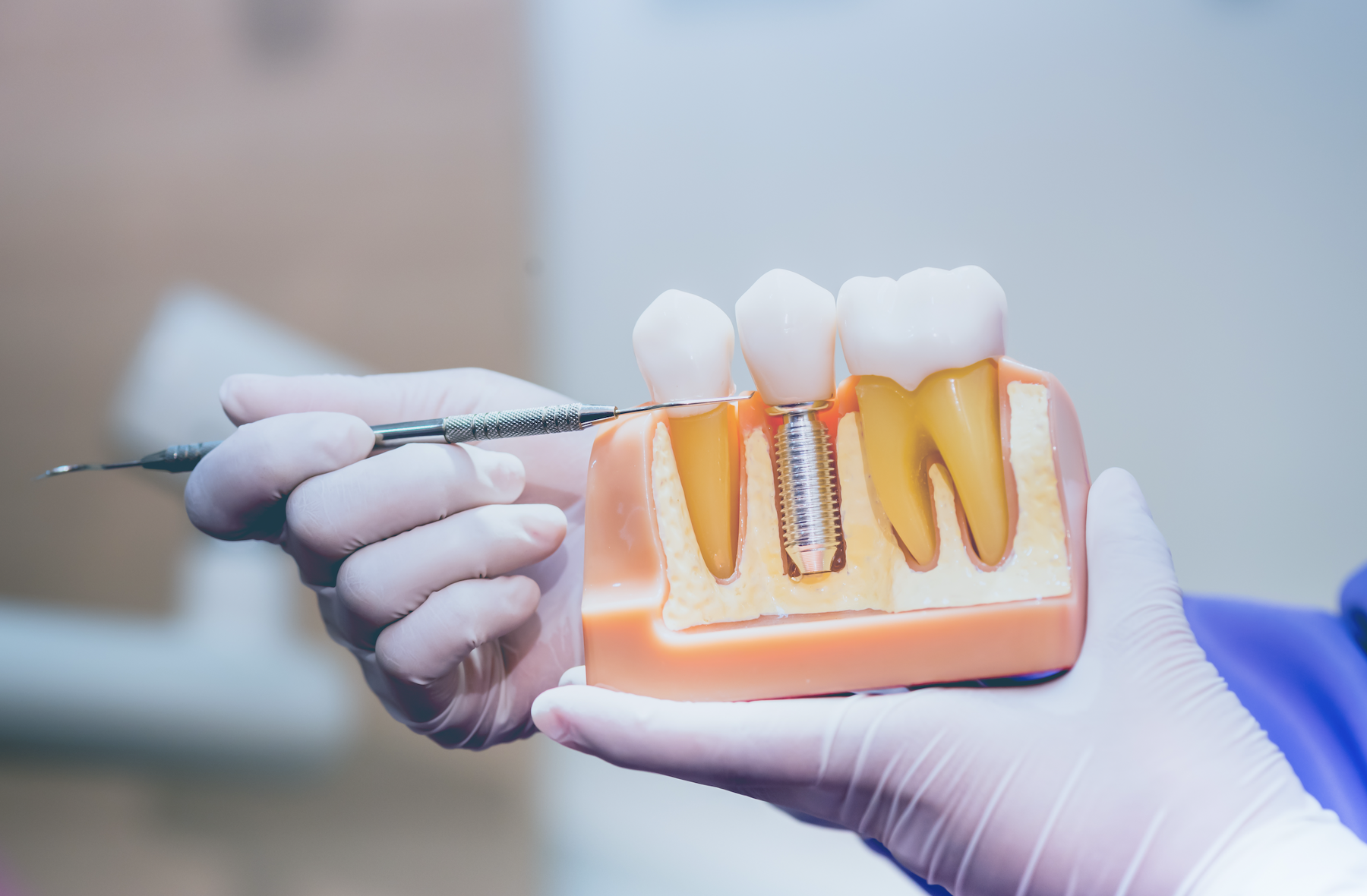
 Losing a tooth can impact how you eat, speak, breathe, and feel in your body every day. You may start chewing on one side, notice tension in your jaw, or feel less confident when you smile. Over time, that missing space can even change your facial structure and the way your bite functions.
How Do Dental Implants Work?
Untreated tooth loss can cause the jawbone in that area to shrink or resorb because it's no longer receiving stimulation from chewing. This bone resorption can lead to changes in your bite, shifting of nearby teeth, and even a sunken appearance in the face over time.
Dental implants prevent this by acting like natural tooth roots. Every time you chew, the implant stimulates the jawbone and maintains its strength and density. It also supports your facial structure and helps keep your bite aligned and stable.
At Wholistic Dental Center, we take a comprehensive approach. We evaluate how your implant will interact with your bite, your jaw, and your airway. If there are underlying issues, such as clenching, grinding, or restricted breathing, we address those as part of your care plan. This ensures your dental implant complements your natural appearance and supports your long-term health.
What to Expect: Comfortable, Thoughtful Care
We know the idea of a dental implant can feel overwhelming, but our goal is to make the experience as smooth and stress-free as possible. Dr. Wendi brings years of surgical expertise from her time in the Army Dental Corps and her global mission work, where she’s treated a wide range of cases with precision and care.
From the moment you walk into our Winter Garden dental office, you’ll notice a difference. This isn’t a cold, clinical environment. With aromatherapy, soothing music, massage chairs, and a warm, supportive team, we help your body settle into a calm, healing state.
During your procedure, we use gentle techniques and effective local anesthesia to keep you completely comfortable. We walk you through each step so you always feel informed and in control. Most patients are surprised by how quick and easy the process feels.
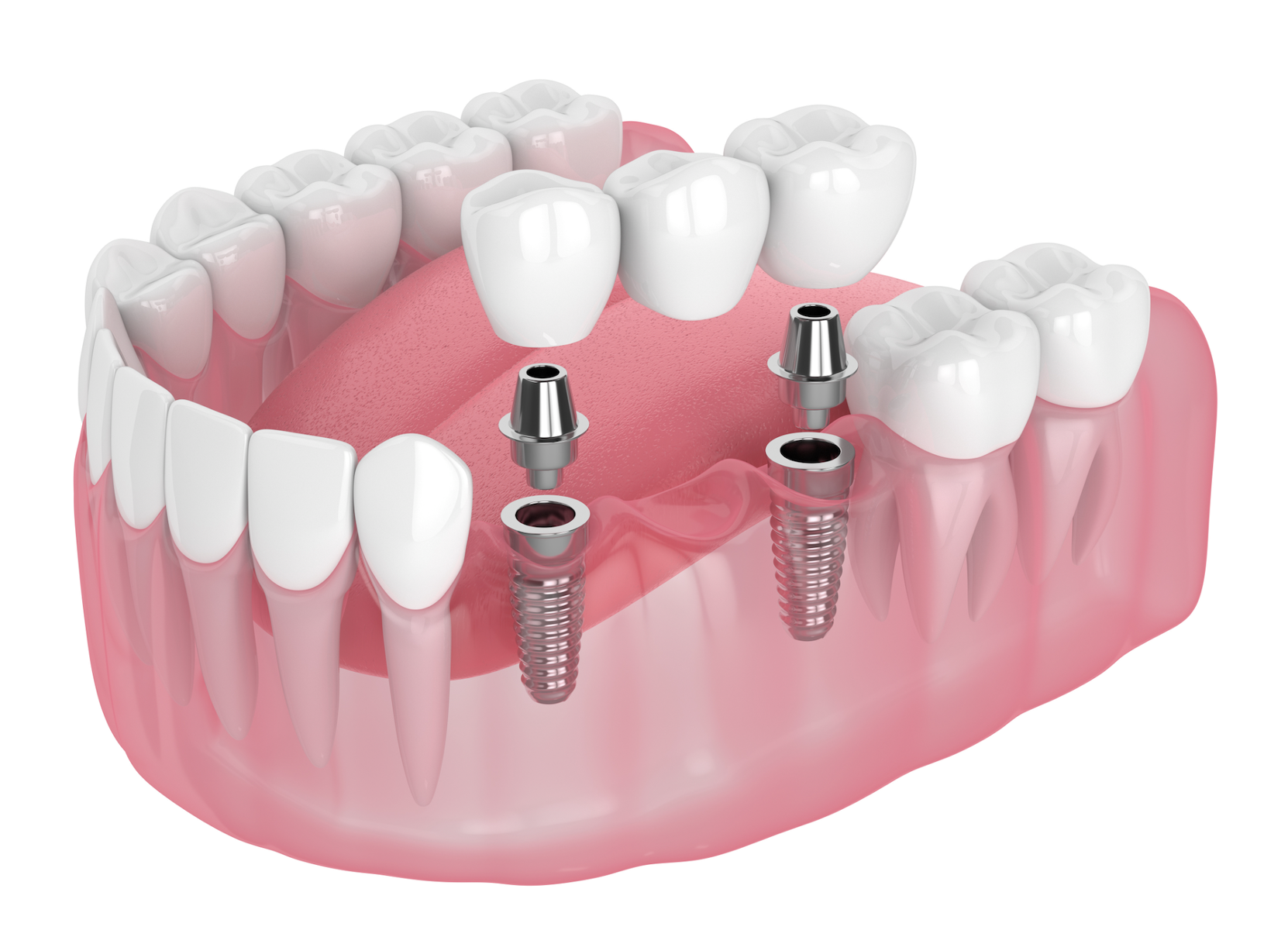
After we surgically place your dental implant, your body begins the healing process. Over the next few months, the implant integrates with your bone and creates a strong and stable foundation. Once the bone fully heals, we attach the crown, bridge, or denture to complete your smile.